The Paradox of Two Worlds: Surreal Situations in Real Urban Scenerios
The concept of TWO WORLDS refers to the complex and often contradictory realities within urban environments where wealth and poverty exist side by side. Urban areas, particularly large cities, are hubs of economic activity and innovation, attracting businesses, investment, and skilled labor, leading to significant economic growth and prosperity. However, alongside this wealth, pockets of poverty persist. In cities like Houston, New York, San Francisco, and London, one can find some of the world’s most expensive real estate and highest incomes. Yet, these cities also have significant homeless populations, food insecurity, and neighborhoods where residents struggle with low wages and poor living conditions. This paradox highlights the stark contrast between visible affluence and severe deprivation.
Continue Reading
Technological innovation is often at the forefront in cities, offering advanced infrastructure, high-speed internet, and access to cutting-edge technologies. However, significant disparities in access to these technologies create a digital divide within the same cities. For instance, in a technologically advanced city like San Francisco, residents in affluent neighborhoods enjoy seamless internet connectivity and access to the latest gadgets, while low-income neighborhoods struggle with limited internet access, impacting education, job opportunities, and access to services. This divide became particularly evident during the COVID-19 pandemic when remote work and online education underscored the importance of reliable internet access.
Artists Nigerian American Kaima Marie Akarue, Venezuelan-Lebanese Violette Bule and Americans Cedric Ingram and Hughie Lee Smith, explore the essence of surreal situations where “two worlds” coexist in real urban spaces. Their work highlights the paradox of contemporary life, illustrating the dual realities we navigate and the challenges in defining equity, diversity, and inclusion.
Understanding and addressing these paradoxes is crucial for creating more equitable and sustainable urban environments. These works invite us to reflect on these dualities and the ongoing quest for a balanced and inclusive society.
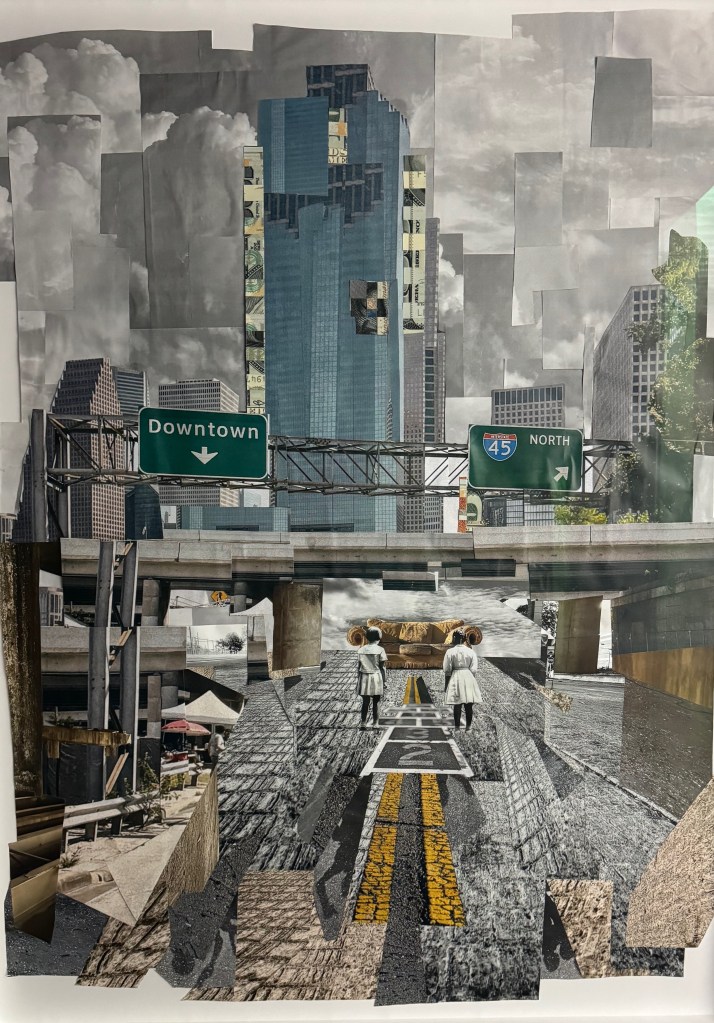
Kaima Marie Akarue
Paper Collage
64″x58″
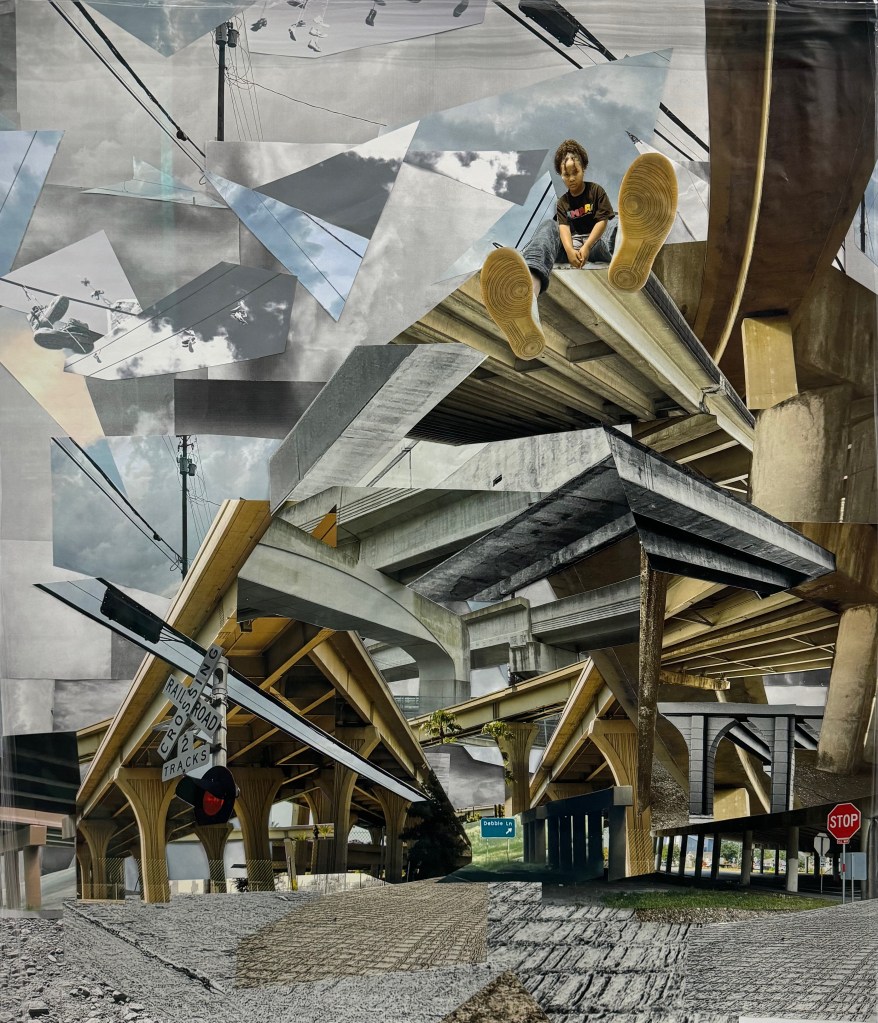
Kaima Marie Akarue
Paper Collage
47 “x42”
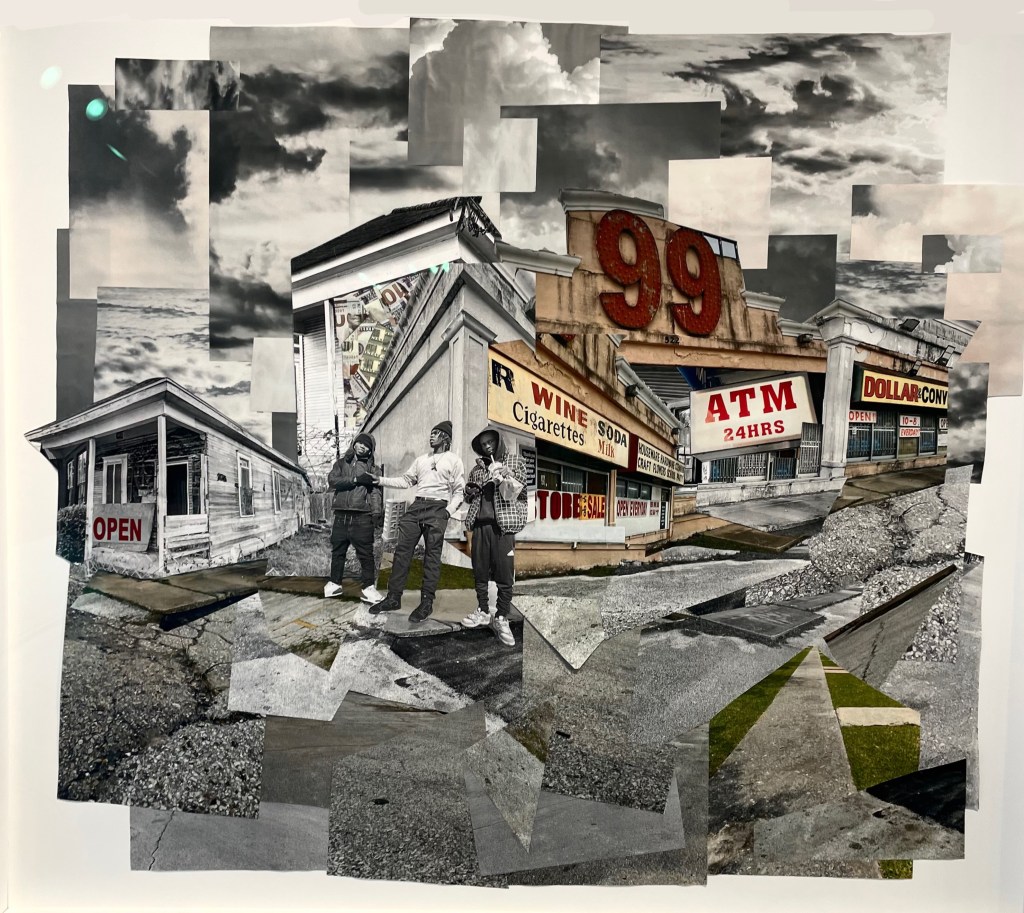
Kaima Marie Akarue
Paper Collage
48″x53″
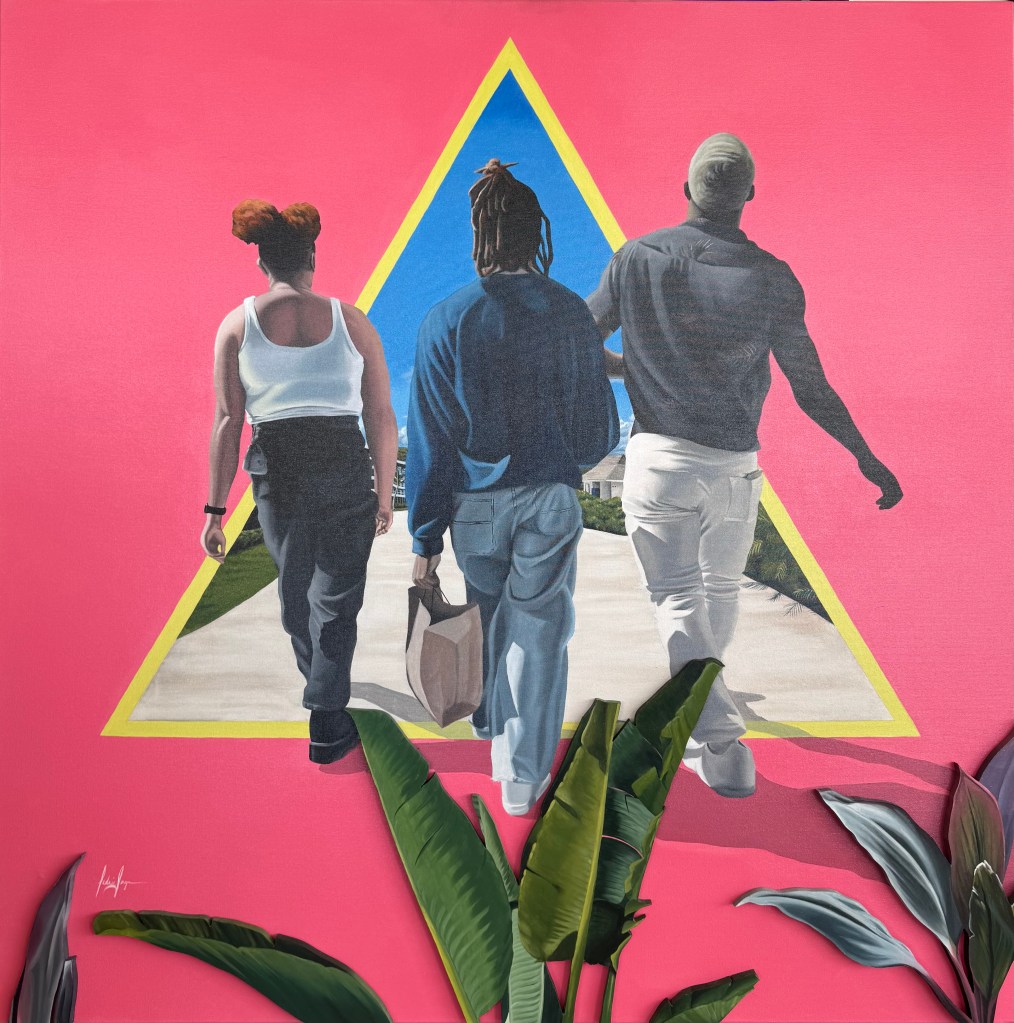
Cedric Ingram
Acrylic on Canvas and Wood
48′ x 48″

Violette Bule
Archival Print
33″x50″
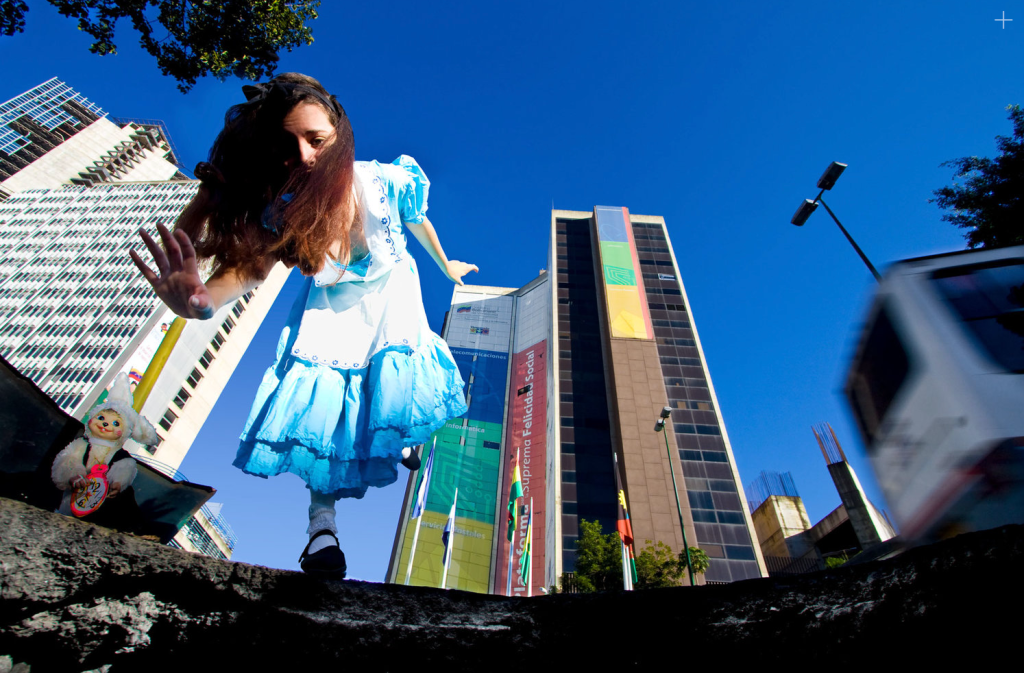
Violette Bule
Archival Print
33″x50″
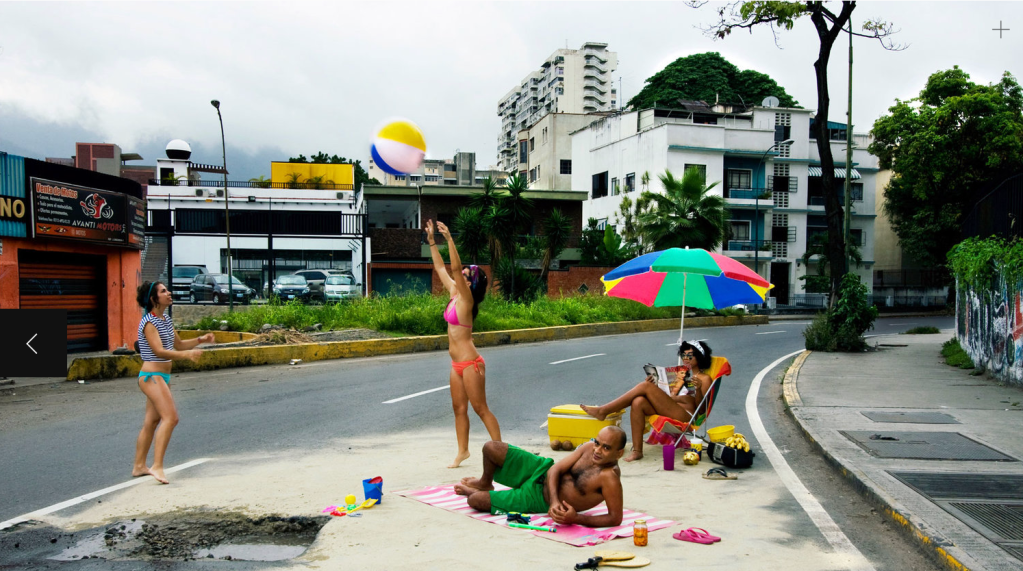
Violette Bule
Archival Print
33″x50″
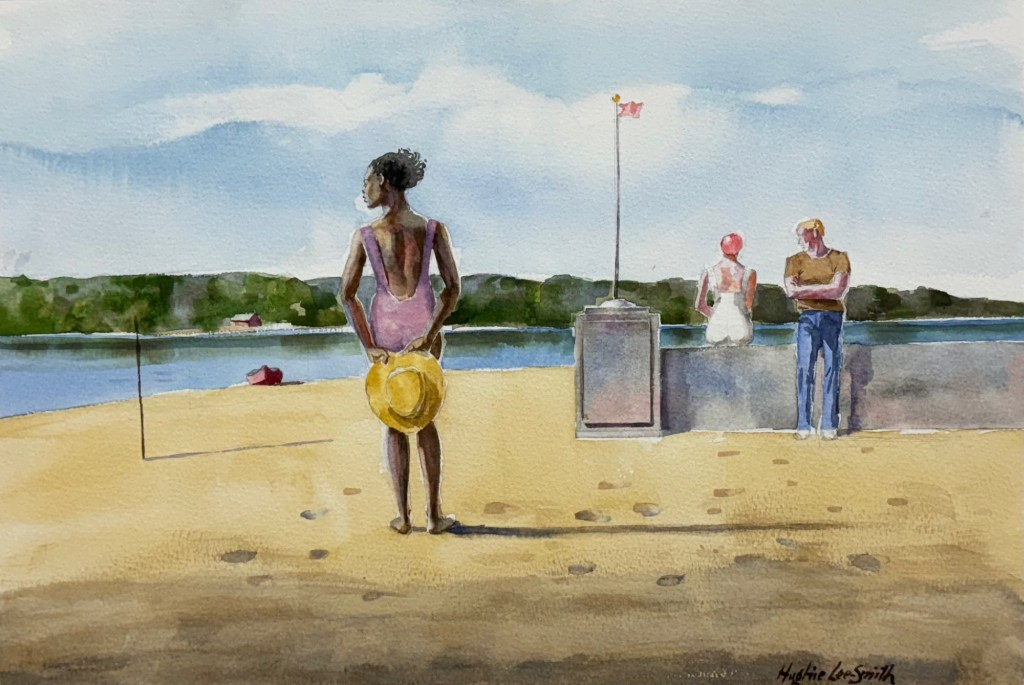
Hughie Lee Smith
Watercolor
25″x31″
 The Guess Lawson Collection